Garden Maintenance in Hampstead
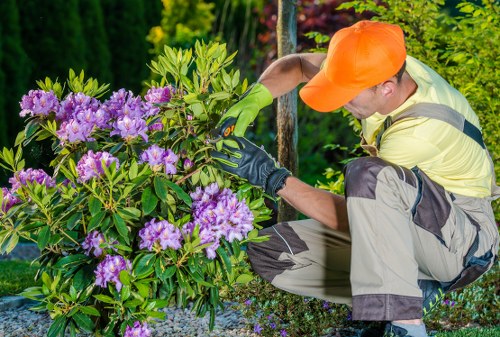
Garden Maintenance Hampstead provides practical garden maintenance in Hampstead for homes and shared outdoor spaces that need regular, orderly care rather than occasional attention. Our work can include mowing, edging, hedge trimming, planting tidy-ups, weed control and seasonal clearance, with the aim of keeping beds, lawns and borders in workable condition. The service is suited to gardens that need one-off attention as well as those that benefit from an agreed routine.
Because every garden develops differently, our approach is built around the existing layout and the tasks that are most useful at the time. We can focus on keeping growth under control, restoring a neglected area, or maintaining a smarter finish across the whole space. If you need a clear scope before work begins, our pricing and quotes page explains how enquiries are handled and what information helps shape an accurate quotation.
For many customers, the most important part of maintenance is consistency. Regular visits can prevent borders from closing in, lawns from becoming uneven and hedges from getting beyond a manageable size. If you are planning a new routine or just want support with a specific task, our service is arranged around the work that matters most, not around unnecessary extras. You can also start with a plain enquiry and ask us to outline the most suitable option for your garden.
Regular garden care and seasonal upkeep
Routine maintenance is often the simplest way to keep a garden looking cared for without waiting for it to become overgrown. We can work through the essential jobs that make the biggest difference to appearance and access, from cutting back soft growth to clearing away spent material and keeping paths easier to use. This type of service is useful for front gardens, back gardens, communal spaces and rental properties where a tidy finish needs to be sustained.
Seasonal changes shape the work throughout the year. In spring and summer, a garden may need mowing, edging and trimming to keep pace with faster growth. In autumn, leaves, faded plants and light debris can build up quickly, while winter maintenance may focus more on reduction, clearance and preparing the space for easier recovery later on. The exact mix depends on what is present, but the goal stays the same: keep the garden manageable and presentable.
What regular maintenance can include
- mowing and neatening lawn areas
- hedge trimming and selective cutting back
- weeding beds, borders and paved edges
- deadheading and removing tired growth
- light clearance after leaf fall or storm debris
Lawn care and edging

A well-kept lawn usually depends on regular attention rather than one major cut. Our lawn care work can include mowing to a sensible height, tidying the edges and removing clippings where appropriate so the result looks cleaner and easier to maintain. For lawns that have become patchy, uneven or long between visits, the work may need to be phased carefully rather than cut too short at once.
Edging is often overlooked, yet it makes a substantial difference to the final look of a garden. Defined edges help separate lawn from beds, borders and paving, which in turn makes the whole space read more clearly. Where there is a mixture of grass and hard landscaping, we can keep the boundary lines neat and reduce the blurring effect that comes from unchecked growth. This is a practical detail, but it has a strong visual impact.
If your lawn is only part of the wider job, we can combine mowing with other tidy-up work so the visit covers the main visible areas in one go. That may suit gardens where grass, weeds and soft growth all need attention together. Clear instructions about access and the areas to prioritise help keep the work focused, especially where there are paths, pets, fragile planting or zones you want left untouched.
Hedge trimming, shaping and boundary care
Hedges help define boundaries, screen views and frame a garden, but they lose that effect when growth becomes uneven or too dense. Our hedge trimming service is aimed at restoring a controlled outline, whether the hedge needs a light tidy or more noticeable reduction. A careful cut can improve shape, encourage denser growth in the right places and keep the hedge from leaning into paths, driveways or neighbouring spaces.
Different hedge types and heights need different handling, so we work with the growth that is actually present rather than applying one fixed approach. Some hedges respond best to regular light trimming, while others need a slower recovery after a period of neglect. Where hedges sit above walls, fences or raised beds, access and safety matter as much as the final appearance, and the work should be planned with those constraints in mind.
Boundary care can also include cutting back growth that is spreading into walkways or obscuring useful light. If your hedge is part of a larger garden tidy-up, we can combine it with clearance and basic maintenance so the property feels more orderly as a whole. For projects that need more than trimming alone, the hedge trimming service page gives a useful starting point for the type of work covered.
Garden clearance and restore-and-tidy work

Some gardens need more than routine upkeep. Over time, beds can become congested, lawns may be hidden under material, and paths can lose their edges under accumulated growth. Garden clearance is designed for those situations, helping to remove unwanted material and make the space easier to use again. It is often the first stage before regular maintenance can become effective, because the basic layout has to be visible before smaller tasks can be managed properly.
Clearance work can involve cutting back overgrowth, gathering loose material and reducing the volume of waste that has built up in one place. It is especially helpful after a period without maintenance, before a new season starts, or when a property changes hands and the outdoor space needs attention. Where required, we can also help separate what should be retained from what should be removed, which is useful when there are plants or structures you want to preserve.
For larger or heavier jobs, access and disposal planning become part of the work itself. Narrow side paths, rear access, and the amount of material present can all affect how the job is approached. If you are comparing options for a more involved tidy-up, our garden clearance page may help you identify the right starting point before you request a quotation.
Maintenance after clearance
Once a garden has been cleared, the next step is usually to keep it from slipping back into disorder. That may mean re-establishing mowing patterns, keeping hedges under control, edging borders or revisiting weedy areas before they spread. Follow-on maintenance is often more efficient than waiting until the space needs another major intervention, because the work stays lighter and more regular.
This stage is also where small details begin to matter. Borders may need attention where cleared space reveals uneven growth, patios may need a quick tidy along the edges, and planted areas may need simple shaping so they look intentional rather than left behind. The exact tasks depend on the garden’s condition, but the principle is the same: turn a one-off intervention into an easier maintenance pattern.
If you are unsure how much follow-up work will be needed, it is usually better to describe the current condition clearly than to guess. A short outline of the main problem areas helps us suggest a sensible scope, whether that is a single visit, a seasonal tidy-up or a more regular maintenance plan. That is often the difference between a short-term fix and a garden that stays manageable.
Landscape gardening and practical improvements
Not every outdoor project is about routine cutting and clearing. Some gardens need a more considered change in layout, planting structure or surface arrangement, and that is where landscape gardening becomes relevant. This work can complement maintenance by improving how the space functions, how easy it is to look after and how clearly its different zones are defined. It may include reshaping beds, refreshing planting areas or adjusting the balance between lawn, paving and borders.
Practical improvements are usually more valuable than decorative ideas that are difficult to maintain. A garden that is easy to access, easy to water and simple to keep neat tends to stay in better condition over time. When planning changes, it helps to think about what is already working in the space and what is causing repeated problems. For example, a bed that constantly spreads into a lawn may need a clearer edge, while a cramped corner may benefit from a simpler planting approach.
The landscape gardening service is useful where the aim is not just to tidy the garden once, but to improve its long-term shape. That can sit alongside regular maintenance, because a better layout often reduces the amount of corrective work needed later on. If you already know which area feels hardest to manage, mention that when you ask for a quotation.
Hampstead garden settings and local character
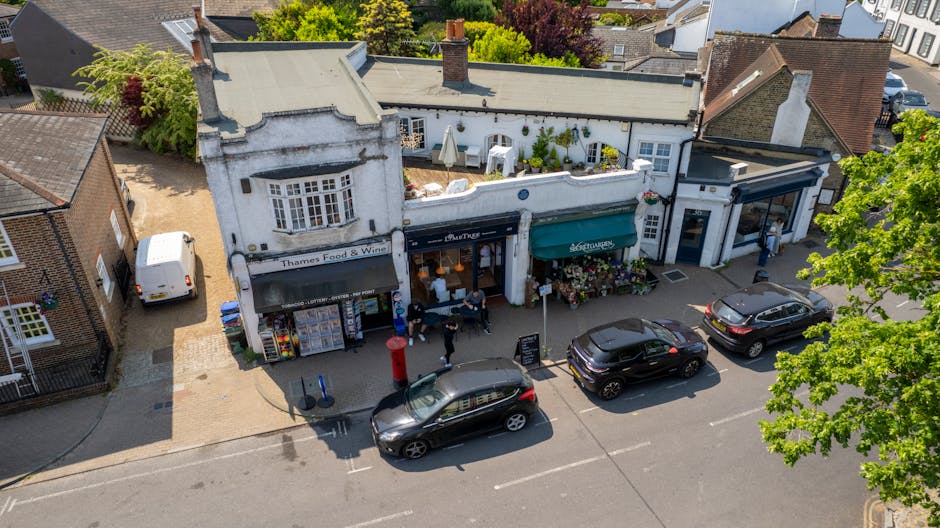
Hampstead is a district in the London Borough of Camden, best known for its strong historic identity, elevated ground and mix of village-like streets with substantial green open spaces. Hampstead Heath is the area’s most prominent landscape feature, a large expanse of parkland and ponds that gives the district a distinctive relationship with nature despite its urban setting. The Heath’s open slopes, woodlands and views have helped shape the wider character of the place for generations.
The built environment adds another layer of interest. Hampstead contains streets of Georgian and Victorian housing, varied terraces, mansion blocks and notable institutions gathered around a centre with a long cultural reputation. The district has been associated with writers, artists and actors, but it also remains a lived-in neighbourhood with everyday shops, schools, cafés and transport links. That mix of residential calm and active public life is part of what gives the area its recognisable atmosphere.
There are several landmarks and green pockets that contribute to local identity, including the area around Hampstead Village, the ponds on the Heath and nearby gardens and squares. The local street pattern includes steep roads, older houses and pockets of open space that reflect the district’s topography. Because the area sits on higher ground than much of London, its viewpoints and tree-lined streets feel especially distinctive in the context of the city.
Tree, shrub and boundary management

Garden maintenance often becomes easier when trees, shrubs and boundary planting are handled sensibly alongside the rest of the outdoor space. Low branches, dense shrubs and untidy self-set growth can all make a garden feel smaller or harder to cross, even when the basic layout is sound. Our work can include selective reduction, tidying around established planting and keeping woody growth from crowding paths, fences or beds.
This type of work needs restraint. Cutting back too heavily can leave a garden looking bare, while doing too little allows the same problem to return quickly. A measured approach is usually best, especially where shrubs contribute to screening or where trees are part of the garden’s structure. In some cases, the right answer is simply to reduce interference with surrounding features rather than change the plant itself very much. That keeps the garden usable without stripping away its character.
For more substantial tree work, the scope needs to be chosen carefully because height, spread and access all influence how a job is handled. If you are weighing up whether your issue is light pruning, trimming or removal, it is better to state the concern clearly than to assume the most drastic solution is necessary. You can also look at tree lopping and removal if the main issue is a tree that now dominates the space.
Preparing a quotation for your garden
A useful quotation starts with a clear picture of what the garden needs, not just its size. It helps to know which areas are involved, what has become overgrown, whether access is straightforward and whether you want a one-off tidy-up or a repeat visit. Photos can be helpful, but a written description of the main tasks is just as important when the space has several different problem areas.
It is also useful to mention anything that should be handled carefully, such as decorative planting, uneven ground, sheds, shared access or features that are not to be touched. That does not need to be a long message. In many cases, a short list of priorities is enough to let us shape a sensible scope and avoid unnecessary work. If you need a broader overview first, the services overview page can help you see how the main jobs fit together.
When comparing maintenance options, remember that the best quotation is usually the one based on the actual tasks rather than a general guess. If the garden has several layers of work, we can often break that down into clear stages. Please ask for a quotation once you know the key areas you want addressed, and keep the request focused on the jobs that matter most to you.
From tidy-up to ongoing support

Some customers only need a single visit to bring a garden back under control, while others benefit from a continuing plan that stops the same problems returning. Ongoing support is often the more practical choice where lawns grow quickly, hedges need regular shaping or beds gather weeds between visits. The key is to match the service to the amount of care the garden actually needs, rather than forcing it into a fixed pattern.
We can support a range of maintenance priorities across the year, provided the tasks are clearly identified. That may mean combining mowing, trimming and clearance in one visit, or spreading the work across separate stages if the garden needs more attention. For some properties, the aim is visual neatness; for others, it is basic control and easier access. Either way, the service should leave the space simpler to manage. If you are ready to take the next step, contact us to request a quotation.
Good garden maintenance is usually about steady, appropriate intervention rather than dramatic change. A space that is trimmed, edged and cleared at the right intervals tends to stay more inviting and less difficult to maintain. If you want support with your outdoor space in Hampstead, the best starting point is a clear description of the work you would like done and the result you hope to achieve.